
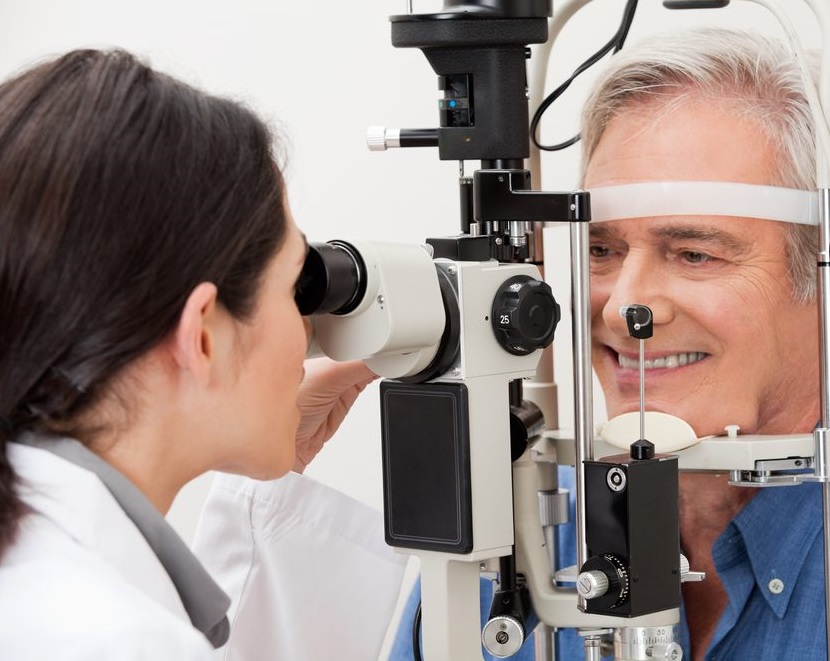
This page is meant to tell you what you need to know to get professional eyecare. It explains when and how often to see your eye doctor, defines the different kinds of eye doctors, informs you about what to expect at an eye doctor appointment, and offers ways to make the most of your eye doctor appointment.
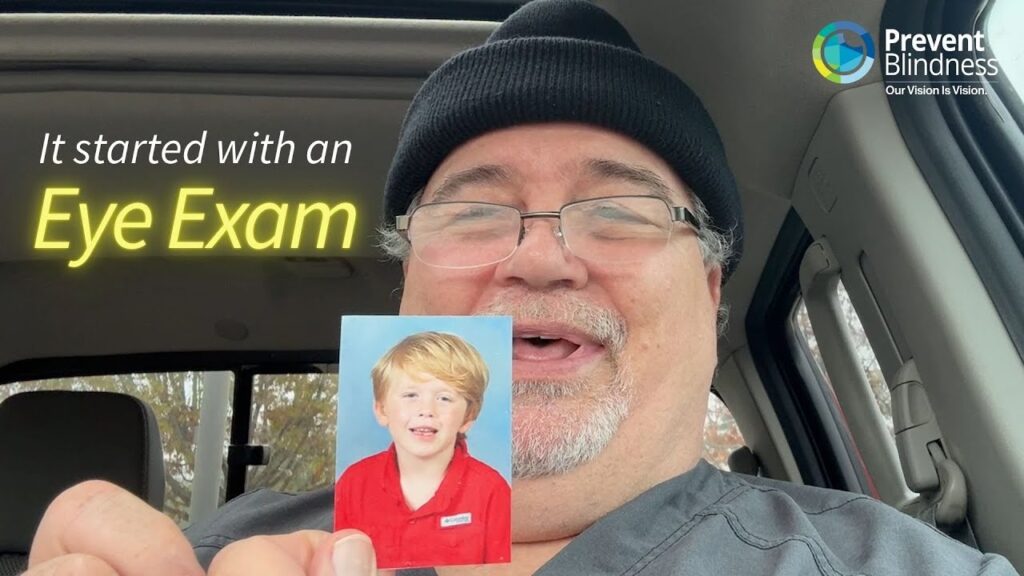
Prevent Blindness is pleased to bring you firsthand experiences from individuals whose lives were changed through timely eye care. Their stories highlight the real importance of protecting your vision.
What is an eye exam?
At a complete eye exam, called a dilated eye exam, the eye doctor widens the pupil of the eye with eye drops to allow a closer look at the inside of the eye. The dilation may last a few hours and make you temporarily sensitive to light. This exam may not be part of an eye exam for a new pair of eyeglasses or contact lenses. Be sure to ask your eye doctor for a dilated eye exam. Note, there are FDA-approved products that can reverse dilation if you need it.
How often should I have an eye exam?
Prevent Blindness recommends that everyone receive a comprehensive eye exam through dilated pupils regularly as recommended by your eye doctor.
If you are having trouble seeing clearly or have noticed a change in your vision, call your eye doctor to schedule an appointment. If you have a large sudden change in vision, sudden pain, or injured your eye(s), seek immediate emergency medical attention.


Eye Care Providers: Who Are They and What Do They Do?
Different eye care providers offer different services. The right provider depends on whether you need a routine eye exam, a prescription, help filling an eyewear prescription, care for an eye condition, or eye surgery.
Use this guide to understand whether you may need an optometrist, ophthalmologist, or optician.
Getting ready for my eye doctor appointment
Have you ever left the doctor’s office and thought of a dozen questions you meant to ask? We all do that! This checklist of questions can help you make the most of your next visit to the eye doctor.
Additional resources
Health Insurance and Your Eyes
Most people require some kind of eye care throughout their lifetime, but how do they pay for it? Insurance can be a confusing topic in any circumstance but this is especially true when it comes to our eye health. The following fact sheets answer common questions about health insurance, the Affordable Care Act and eye care.
Medicare Benefits and Your Eyes
Medicare beneficiaries, especially those at risk for or diagnosed with a variety of diseases, are entitled to a number of vision-related services. It is especially important for people with diabetes, a family history of glaucoma, or those who have suffered an eye disease or injury to be aware of and utilize these benefits. This information is available in English and Spanish.
Vision Care Financial Assistance
A list of organizations and services that provide financial assistance for vision care in English and Spanish.
This resource and the “It Started With an Eye Exam” program are supported by a grant from Viatris Inc., a global healthcare company.

Prevent Blindness retains full independence over all our health education content, policy positions, advocacy efforts, and programmatic decisions. Find out more about Prevent Blindness and corporate sponsorships.